
Improving Sperm Quality: What Can Help and When to Seek Care

Key Takeaways
Improving sperm quality begins with understanding modifiable biological factors and respecting the 72-to-90-day spermatogenesis timeline. Optimizing lifestyle factors provides a supportive foundation, but it should never delay a structured medical workup when conception is taking longer than expected.
Key evidence: WHO Laboratory Manual for Semen Examination, 6th ed AUA/ASRM Guideline: Male Infertility (2024) EAU Guidelines on Sexual and Reproductive Health
Improving Sperm Quality: What Actually Helps?
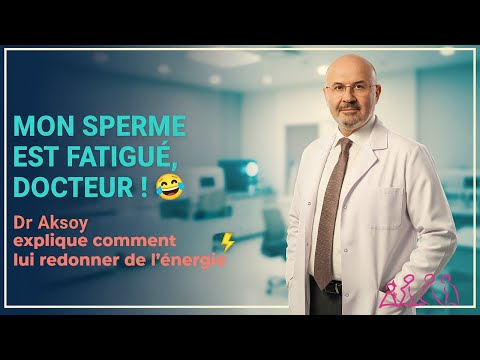
Video in French with auto-translated subtitles available in the player settings.
Improving Sperm Quality: What Can Help and When to Seek Care
Male reproductive health cannot be reduced to a single number on a laboratory report. When a couple experiences difficulty conceiving, questions about sperm health arise quickly. Understanding which factors can be modified—and where lifestyle changes have limits—can help couples decide what to try and when to seek medical advice.
Dr. Aksoy’s Approach
Sperm produced today began their development nearly three months ago. While improving lifestyle habits and reducing toxic exposures create a supportive environment, these steps should not become an indefinite waiting game. If pregnancy does not occur after one year of regular unprotected intercourse—or six months if the female partner is 35 or older—a structured male evaluation is essential to identify any underlying medical cause.
Understanding Sperm Quality and Semen Analysis Parameters
A semen analysis remains the cornerstone of male fertility evaluation. Performed under standardized laboratory protocols, it evaluates several fundamental parameters established by the WHO Laboratory Manual for the Examination and Processing of Human Semen (6th edition):
- Sperm Concentration: The number of sperm per milliliter of ejaculate (reference lower limit: ≥ 16 million/mL).
- Total Motility and Progressive Motility: The proportion of moving sperm (total motility reference lower limit: ≥ 42%; progressive motility: ≥ 30%).
- Morphology: The percentage of sperm displaying normal anatomical structure (reference lower limit: ≥ 4% normal forms using Kruger strict criteria).
- Vitality and Semen Volume: The proportion of live sperm (≥ 54%) and ejaculate volume (≥ 1.4 mL).
An abnormal finding on a single semen analysis is never a definitive diagnosis. Because sperm production fluctuates in response to transient illness, fever, or stress, the AUA/ASRM 2024 Male Infertility Guidelines recommend obtaining at least two separate semen analyses spaced several weeks apart before confirming persistent abnormalities.
The Physiological Timeline: The 72-to-90-Day Rule
A critical biological fact often overlooked is the duration of sperm development. Complete spermatogenesis takes approximately 72 to 90 days in the seminiferous tubules of the testes, followed by 10 to 14 days of transit and maturation within the epididymis.
Consequently, changes related to newly produced sperm may not be visible immediately after a lifestyle change. A repeat semen analysis only a few days later is usually too early to judge a biological effect; the appropriate interval depends on the initial findings, the intervention, and the clinician’s plan.
Modifiable Factors: What You Can Act On
While underlying anatomical or genetic causes require direct medical management, several behavioral and environmental factors can negatively influence testicular function and sperm parameters.
1. Scrotal Heat Exposure
The testes are located outside the abdominal cavity, where their temperature is lower than core body temperature. Repeated or prolonged heat exposure may affect sperm production, but the evidence varies by exposure:
- Hot baths, saunas, and steam rooms: Consider reducing repeated or prolonged exposure while trying to conceive.
- Laptops on the lap: Direct prolonged contact can raise local temperature; evidence about its clinical effect is limited, so avoid it when practical if you are concerned.
- Tight clothing: Choose comfortable clothing. No specific fabric or underwear style has been established as a treatment for male infertility.
2. Smoking, Alcohol, and Environmental Toxins
Cigarette smoking is associated with lower sperm concentration, reduced motility, and more sperm DNA damage. Heavy alcohol consumption and occupational exposure to endocrine disruptors (such as pesticides, heavy metals, and industrial solvents) may also affect testicular function. Stopping smoking is an important health step and may support sperm health.
3. Body Weight and Metabolic Health
Obesity and metabolic syndrome may affect the hormonal environment involved in sperm production. Excess adipose tissue can increase aromatase activity, which converts testosterone into oestrogens. A balanced diet and regular physical activity support overall health, although the effect on fertility varies between individuals.
4. Medications and Hormonal Supplements
Certain prescription medications and self-administered substances can suppress sperm production. Exogenous testosterone and anabolic steroids can reduce the hormonal signals that stimulate the testes and may cause severe oligospermia or azoospermia. The AUA/ASRM guideline advises against prescribing exogenous testosterone to men interested in current or future fertility. Men trying to conceive should disclose all medications, gym supplements, and hormonal therapies to their clinician.
Dietary Supplements and Antioxidants: Useful but Targeted
Antioxidant formulations containing vitamins C and E, zinc, selenium, coenzyme Q10, and L-carnitine are widely used to reduce testicular oxidative stress.
However, the EAU Guidelines on Sexual and Reproductive Health state that evidence for antioxidants in idiopathic male infertility is inconclusive. Some studies report changes in semen parameters, but routine antioxidant treatment is not recommended and a live-birth benefit has not been established. In the FAZST trial in JAMA, high-dose folic acid and zinc did not improve semen quality or live birth rates. Supplements should not be taken at high doses without medical guidance or used to delay evaluation of a treatable cause.
Lifestyle Optimization vs Specialized Medical Workup
It is vital to distinguish general reproductive health optimization from the diagnosis and treatment of urologic or endocrine conditions.
| Dimension | Lifestyle Optimization | Specialized Medical Workup |
|---|---|---|
| Primary Goal | Optimize testicular microenvironment and reduce oxidative stress | Identify and treat underlying causes of male infertility |
| Key Actions | Smoking cessation, moderating alcohol, weight management, balanced nutrition | Repeat semen analysis and hormone testing when indicated; imaging based on history, examination, and semen findings |
| Timeline for Assessment | Biological changes may take one sperm-production cycle to appear | Timing depends on the findings and the couple’s circumstances |
| Target Indications | General health support for people planning pregnancy | Delayed conception, abnormal semen analysis, relevant symptoms, or a urologic history |
When to Consult a Fertility Specialist
A medical evaluation is appropriate when conception is taking longer than expected, particularly when the female partner’s age or either partner’s medical history may affect fertility:
- After 12 months of regular unprotected intercourse without conception when the female partner is under 35.
- After 6 months of trying when the female partner is 35 or older.
- Immediately if there is a history of undescended testes (cryptorchidism), prior testicular surgery, genital trauma, known clinical varicocele, or previously identified severe semen abnormalities.
When semen parameters are moderately or severely altered, options such as intrauterine insemination (IUI) or IVF with ICSI may be discussed. The appropriate approach depends on the semen findings, the female partner’s age and ovarian factors, the duration of trying to conceive, and the couple’s preferences. In selected cases involving a palpable clinical varicocele and impaired semen parameters, microsurgical varicocele repair may be evaluated with an experienced urologist. The male fertility supplements guide explains what supplements can and cannot establish.
Summary
Improving sperm quality is usually a matter of combining realistic lifestyle steps with the right clinical evaluation. Healthy habits may support sperm health, but they do not rule out anatomical, hormonal, genetic, or other medical causes. The next step should be tailored to both partners and the time they have been trying to conceive.
Related Reading
- Male Infertility and IVF: Causes, Diagnosis, and Treatment Options
- Varicocele Repair vs IVF/ICSI: When to Treat the Cause First
- Male Fertility Supplements: Comprehensive Evidence Guide
FAQ
How long does it take to see improvements in a semen analysis?
Because sperm development takes roughly 72 to 90 days, a change may take one sperm-production cycle to become visible. This does not mean that every couple must wait three months before seeking care: the timing of a repeat semen analysis depends on the result, treatment, and clinical context.
Can vitamins and dietary supplements replace a medical evaluation?
No. Evidence for antioxidant supplements is uncertain, and they cannot diagnose or correct conditions such as a clinical varicocele, endocrine disorder, obstruction, or genetic cause.
Does taking testosterone boost male fertility?
No. Exogenous testosterone can suppress the LH and FSH signals that stimulate sperm production and may cause severe sperm reduction or azoospermia. It should not be prescribed to men who are trying to conceive or who may want fertility in the future; discuss alternatives with a clinician.
Is a single abnormal semen analysis sufficient for a diagnosis?
No. Semen parameters naturally fluctuate based on recent viral illnesses, fever, abstinence intervals, and physical stress. International guidelines recommend confirming any abnormal result with a second semen analysis performed a few weeks later.
Sources
- American Urological Association and American Society for Reproductive Medicine. Diagnosis and Treatment of Infertility in Men: AUA/ASRM Guideline. 2020; amended 2024.
- World Health Organization. WHO laboratory manual for the examination and processing of human semen, 6th edition. Geneva: World Health Organization; 2021.
- European Association of Urology. EAU Guidelines on Sexual and Reproductive Health. Current online chapter, accessed 22 August 2026.
- Schisterman EF, Sjaarda LA, Clemons T, et al. Effect of Folic Acid and Zinc Supplementation in Men on Semen Quality and Live Birth Among Couples Undergoing Infertility Treatment: A Randomized Clinical Trial. JAMA. 2020;323(1):35-48. doi:10.1001/jama.2019.18714. PubMed.
- Mayo Clinic / MedlinePlus. Healthy sperm: Improving your fertility. National Library of Medicine.
Add as a Preferred Source on Google
You can add draksoyivf.com as one of your preferred health information sources on Google.

The content has been created by Dr. Senai Aksoy and medically approved.